
Retirement often marks the beginning of a new chapter filled with opportunities to enjoy life at a slower pace. However, many retirees discover that while they have substantial equity in their homes, their monthly income may not always cover rising healthcare costs, home maintenance, travel, or other unexpected expenses. Rather than selling a home filled with memories, many homeowners are exploring reverse mortgages as a practical financial solution.
Working with a reverse mortgage specialist can make the entire process easier to understand. Instead of navigating complicated loan terms alone, seniors receive personalized guidance that helps them determine whether a reverse mortgage aligns with their long-term financial goals. This article explains the value of working with a specialist, the benefits of reverse mortgages, and important considerations before making a decision.
Why a Reverse Mortgage Specialist Is Essential
A reverse mortgage isn’t simply another home loan. It is a financial product specifically designed for older homeowners, making expert guidance incredibly valuable. A reverse mortgage specialist understands eligibility requirements, loan structures, repayment conditions, and government regulations that apply to these mortgages.
Rather than focusing only on loan approval, a specialist evaluates your financial situation and retirement objectives. They explain every available option, answer difficult questions, and help you compare different payout methods.
For example, imagine a retired homeowner named Linda who owns her home outright but struggles with increasing medical expenses. After consulting a reverse mortgage specialist, she learns that using a line of credit instead of a lump sum provides greater flexibility while preserving more of her home equity for future needs. That personalized advice helps her make a more informed financial decision.
A qualified specialist may also assist with:
- Reviewing eligibility, explaining loan options, and helping homeowners understand both the advantages and responsibilities before moving forward.
Understanding Reverse Mortgages Beyond the Basics
Many people mistakenly believe reverse mortgages are only for homeowners facing financial hardship. In reality, they have become an important retirement planning tool for individuals who want to make better use of the equity they’ve built over decades.
Unlike a traditional mortgage, borrowers generally do not make monthly mortgage payments toward the loan balance. Instead, the loan is typically repaid when the homeowner permanently leaves the property, sells the home, or passes away. Throughout that time, homeowners continue owning their property while remaining responsible for taxes, insurance, and general home maintenance.
Because every homeowner’s circumstances differ, understanding these responsibilities before applying is essential.
How Reverse Mortgage for Seniors Creates Financial Flexibility
A reverse mortgage for seniors can offer additional financial freedom during retirement without requiring homeowners to relocate. Instead of relying entirely on retirement savings, eligible homeowners may use part of their home’s equity to support important life goals.
These funds are commonly used for:
- Home renovations that improve accessibility
- Medical or long-term healthcare expenses
- Supplementing retirement income
- Paying off an existing mortgage
- Creating an emergency financial cushion
Example
John and Maria are both retired and have lived in the same home for nearly 35 years. Their property has appreciated significantly, but inflation has increased their monthly living expenses. After speaking with a reverse mortgage specialist, they choose monthly payments that help cover everyday costs while allowing them to remain comfortably in the home they love.
The right payment option depends on personal priorities, making professional guidance especially valuable throughout the decision-making process.
Questions Every Homeowner Should Ask
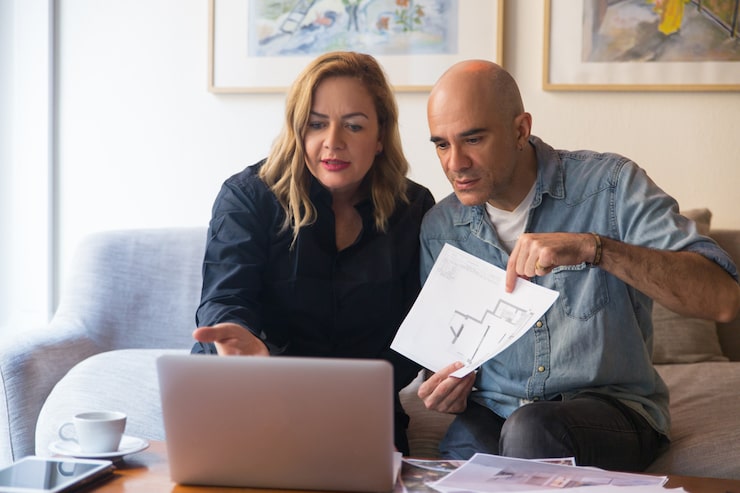
Choosing a reverse mortgage is a major financial decision. Asking thoughtful questions can help homeowners better understand whether it fits their retirement plans.
Important questions include:
- How much equity can I access?
- Which payment option best supports my retirement goals?
- What responsibilities remain after receiving the loan?
- How could this decision affect my estate?
- What happens if I move in the future?
An experienced specialist should answer each question clearly without creating unnecessary pressure to proceed quickly.
Common Misconceptions That Often Confuse Seniors
Reverse mortgages are frequently misunderstood, leading many homeowners to dismiss them before learning the facts.
One of the biggest myths is that homeowners give up ownership of their property. In most cases, eligible borrowers continue owning their homes while meeting loan requirements, including paying property taxes, maintaining homeowners insurance, and keeping the property in good condition.
Another misconception is that reverse mortgages should only be considered during financial emergencies. Many financially secure retirees strategically use home equity to improve cash flow, delay withdrawals from retirement investments, or prepare for future healthcare expenses.
Understanding these realities helps seniors evaluate reverse mortgages based on facts instead of assumptions.
How to Choose the Right Reverse Mortgage Specialist
Not every mortgage advisor has extensive experience with reverse mortgages. Since retirement lending involves specialized knowledge, selecting the right professional is an important step.
When evaluating a specialist, look for someone who:
- Clearly explains both benefits and potential drawbacks instead of promoting only the positives.
A trustworthy professional should encourage homeowners to ask questions, review every available option, and discuss decisions with family members or financial advisors before signing any paperwork.
Transparency and education are often better indicators of quality service than promises of fast approvals.
Pro Tip
Before applying for a reverse mortgage, prepare a list of your retirement goals for the next 10–15 years. Whether your priority is healthcare, travel, reducing monthly expenses, or leaving an inheritance, sharing these goals with your reverse mortgage specialist will help them recommend the most suitable payment structure for your situation.
Signs a Reverse Mortgage May Be Worth Exploring
While every homeowner’s financial situation is unique, a reverse mortgage may be worth considering if you:
- Plan to remain in your home for many years.
- Have built substantial home equity.
- Want additional retirement income without selling your property.
- Need funds for healthcare or home improvements.
- Prefer financial flexibility while maintaining homeownership.
Discussing these factors with an experienced specialist can help determine whether this solution aligns with your retirement objectives.
Conclusion
Your home is more than just a place to live—it is often one of your most valuable financial assets. Working with a reverse mortgage specialist gives homeowners the knowledge needed to evaluate available options, understand long-term responsibilities, and make informed retirement decisions.
For many retirees, a reverse mortgage for seniors offers an opportunity to improve financial flexibility while continuing to enjoy the comfort of home. The key is approaching the decision thoughtfully, asking the right questions, and seeking expert guidance that prioritizes your long-term financial well-being over short-term solutions.